

Bmw X3 xDrive25d G01 vs Renault Clio 4 RS 200 : which one is faster?
0-100 km/h, 400 m, 1000 m, top speed — physics simulation calibrated on 7 measures.
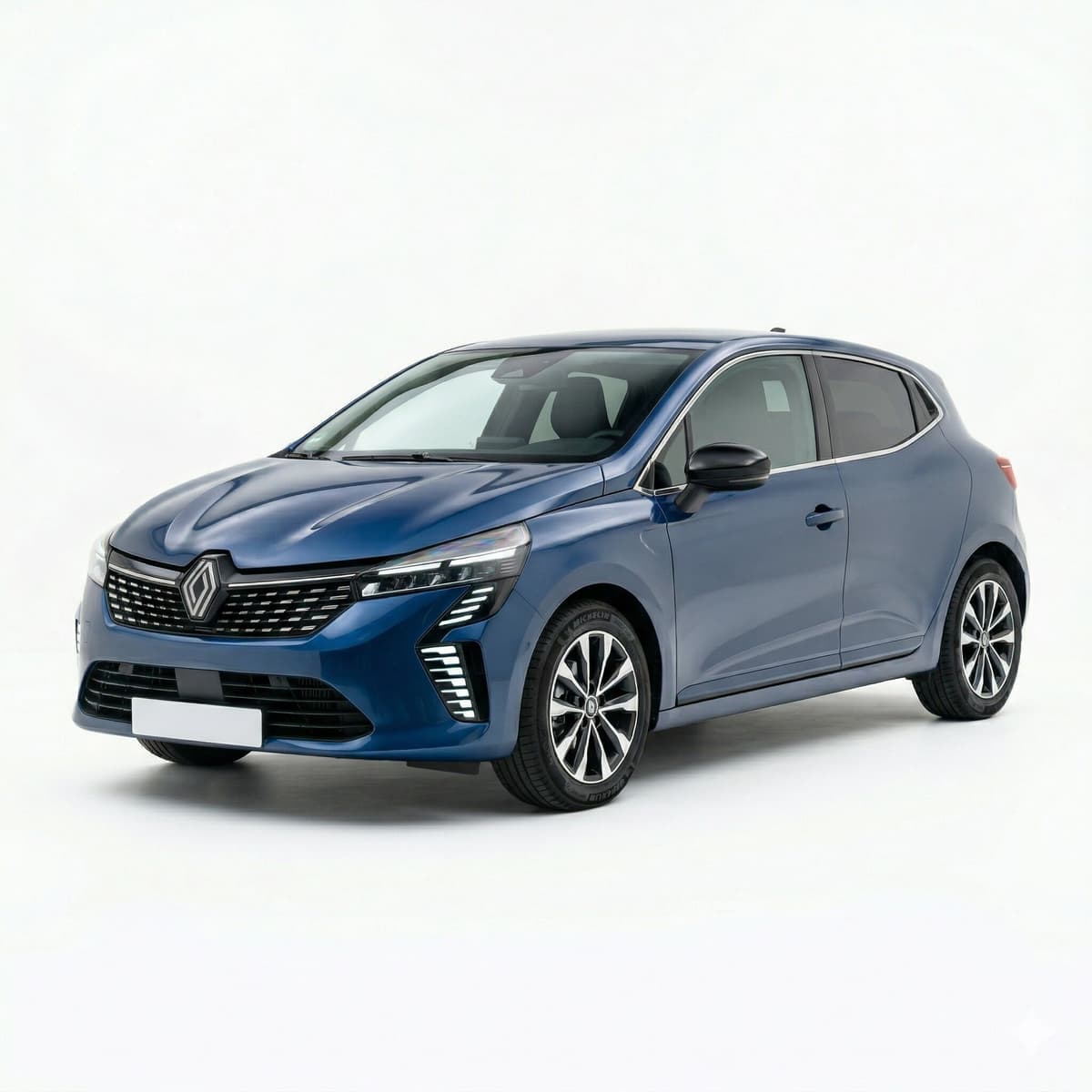 0-100
0-100Simulation de performance
Race simulation at real speed
0Calibrated physics simulation: SCx via VMax, power curves, Crr via WLTP, drivetrain losses. Manufacturer 0-100 is the calibration target. Confidence 0 %.
Bmw X3 xDrive25d vs Clio 4 RS 200: chronicle of a drag race at 230 km/h
The launch: 0 to 100 km/h
Off the line, the Clio 4 RS 200 hits 100 km/h in 6.63 s versus 6.86 s for the Bmw X3 xDrive25d. Despite the faster sprint time, the Bmw X3 xDrive25d is 2 m further along the track at this moment: stronger low-speed acceleration offsets a slower run beyond 100 km/h.
From 100 km/h to 400 metres
At 200 metres, the Clio 4 RS 200 is doing 126 km/h against 121 km/h for the Bmw X3 xDrive25d. The gap is 0.04 s. The challenger starts to claw back ground.
At 400 metres standing start, the Clio 4 RS 200 crosses the line in 14.74 s versus 14.96 s. The 0.22 s gap represents roughly 9 m of track — barely a car length.
Beyond 400 metres: top speed comes into play
Past 400 metres, the Clio 4 RS 200 continues to build its lead. At 600 metres, it runs at 174 km/h versus 168 km/h. At 1,000 metres, the Clio 4 RS 200 finishes in 26.78 s versus 27.45 s, with a 0.66 s lead. Both vehicles have similar top speeds (230 vs 227 km/h), preventing any comeback.
What the numbers don’t tell you
The Bmw X3 xDrive25d features all-wheel drive (AWD) against the Clio 4 RS 200’s FWD. At low speeds (0-30, 0-50, 0-80 km/h), AWD doubles the driven contact area: all four wheels transmit torque to the road, virtually eliminating wheelspin at launch. This traction advantage is decisive in the range where the motor delivers peak torque, before power and aerodynamics take over.
Both rivals are electronically governed, but not at the same level: the Bmw X3 xDrive25d is capped at 230 km/h, the Clio 4 RS 200 at 227 km/h. This isn’t a physical engine limit — it’s a manufacturer choice, usually for tyre safety or homologation reasons. Neither car reaches its true aerodynamic top speed.
With two combustion powertrains, the difference comes down to power-to-weight ratio (7.64 kg/hp vs 6.23 kg/hp) and transmission (Automatic vs Automatic).
In European road use (130 km/h max), both vehicles reach the legal speed limit in under 11.07 seconds. The 0.23 s difference in 0 to 100 km/h is mostly felt in motorway merging and overtaking.
Bmw X3 xDrive25d and Renault Clio 4 RS 200 are virtually tied to 100 km/h. The gap is under a tenth of a second — only the physics engine can settle it step by step.