

Autonomie autoroute : Peugeot 208 GTi 30th 208 vs MG ZS EV Long Range FWD
Sur London – Edinburgh (660 km à 130 km/h), la 208 GTi 30th 208 arrive en 5h58 sans arrêt pour 72,24 €. La ZS EV Long Range FWD arrive en 6h54 avec 2 arrêts pour 53,16 €.
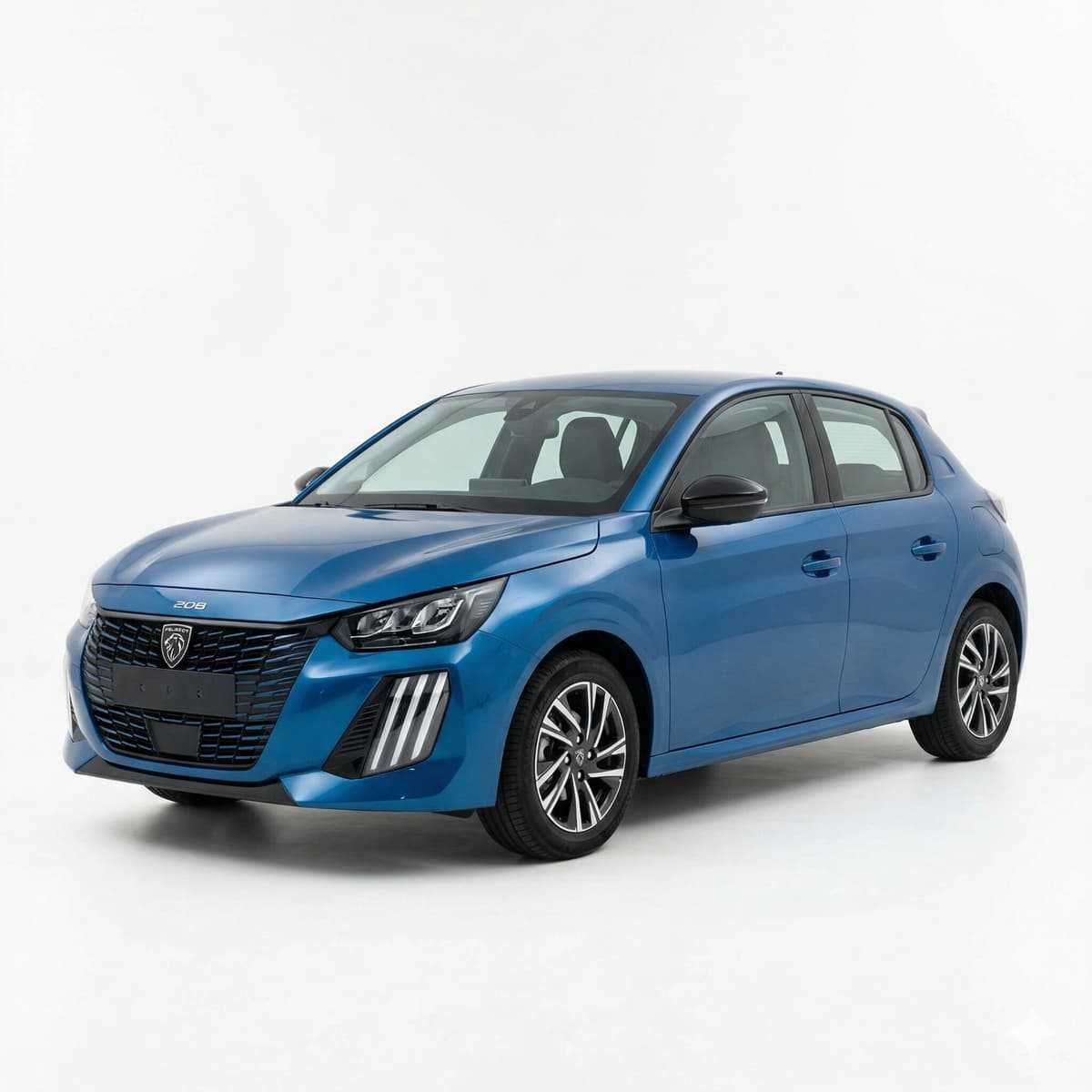 Plus rapide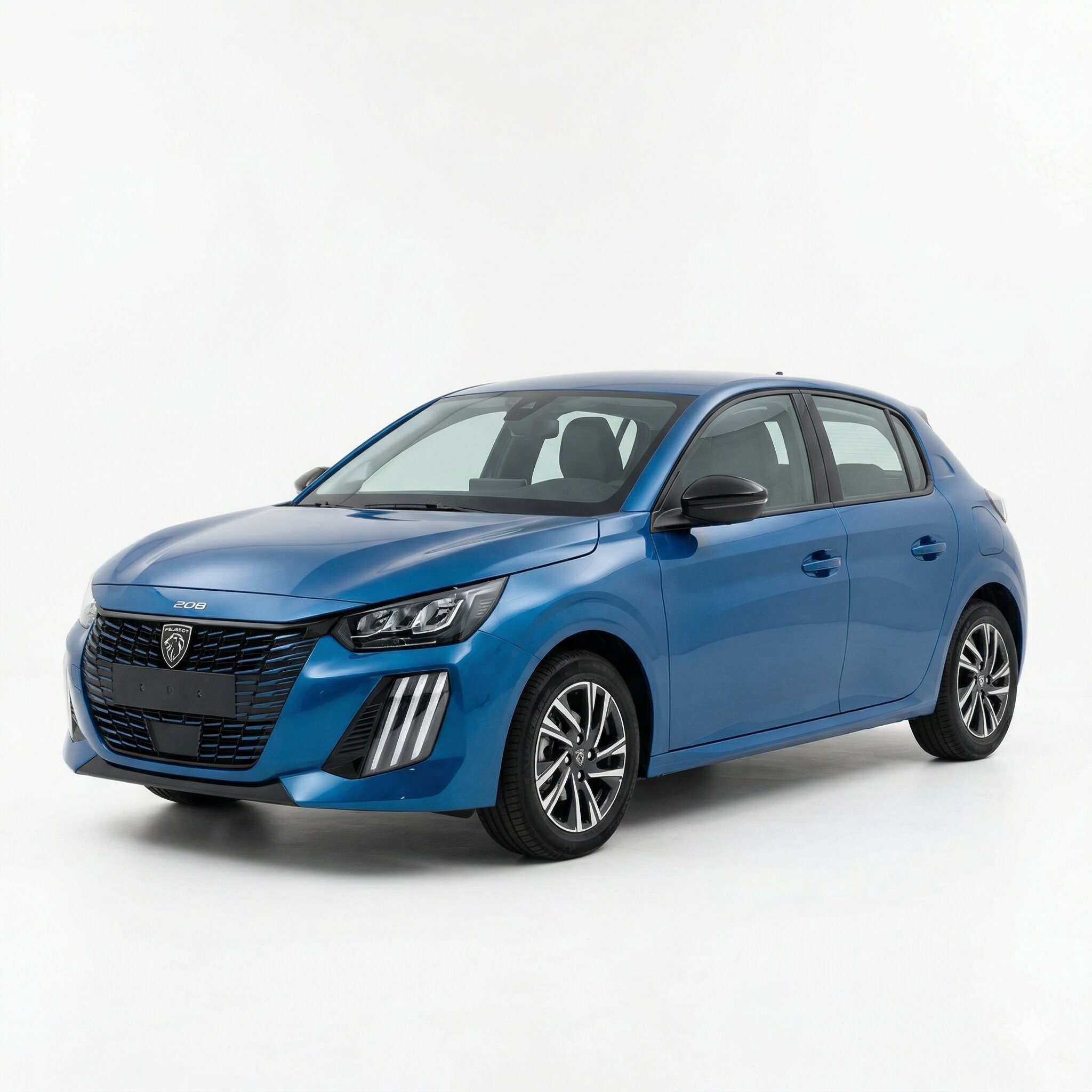
Peugeot 208 GTi 30th 208 arrives 56 min earlier but costs 19,08 € more in energy with 0 stop vs 2 for MG ZS EV Long Range FWD.
208 GTi 30th 208 ou ZS EV Long Range FWD : le trajet London – Edinburgh en détail
Sur London – Edinburgh (660 km à 130 km/h), 208 GTi 30th 208 arrive en 5h58 avec 0 arrêt plein, pour 54,45 € de carburant. ZS EV Long Range FWD met 6h54 avec 2 arrêts recharge, pour 76,24 €. 208 GTi 30th 208 arrive plus tôt grâce à 2 arrêts de moins.
208 GTi 30th 208 vs ZS EV Long Range FWD sur autoroute : pourquoi l'autonomie annoncée ne suffit pas
208 GTi 30th 208 et ZS EV Long Range FWD affichent des autonomies WLTP mesurées en cycle mixte. Mais à 130 km/h sur autoroute, l'autonomie réelle est inférieure de 15 à 25 %. Ce qui compte pour les longs trajets, c'est le combo autonomie réelle à vitesse autoroutière + vitesse de recharge. Un véhicule avec moins d'autonomie WLTP mais une recharge plus rapide peut arriver AVANT un concurrent à plus grosse batterie.
Le vrai facteur : kilomètres récupérés par minute de recharge
Sur un long trajet, le classement dépend du ratio km récupérés par minute de charge.Voir la métrique ↑ ci-dessus — que Caralogy calcule et que les constructeurs ne publient pas. Elle combine autonomie réelle (consommation à 130 km/h) et courbe de recharge (puissance moyenne de 10 à 80 %) en un seul indicateur décisif.
London – Edinburgh : la preuve par les chiffres
Sur les 660 km du trajet, 208 GTi 30th 208 fait 0 arrêt plein pour un total de 5h58. ZS EV Long Range FWD fait 2 arrêts recharge pour 6h54. 2 arrêt de moins = 20 à 35 min gagnées.
Coût en énergie : London – Edinburgh
208 GTi 30th 208 : 54,45 € pour 660 km (carburant à 1,99€/L). ZS EV Long Range FWD : 76,24 €.
Et comparé à un thermique ?
Un thermique équivalent (~8 L/100 km) coûte ~105€ sur 660 km (essence à 1,99€/L) et met ~305min sans arrêt carburant significatif. L'électrique coûte moins cher en énergie mais ajoute des pauses recharge.
Ce que la simulation ne couvre pas
Files d'attente aux bornes, disponibilité temps réel, conditions météo. Le tarif DC de 0,45€/kWh est une moyenne. La courbe de charge varie avec la température : en hiver, les temps de recharge augmentent de 15 à 30 %.
Travel time
On London → Edinburgh (660 km), the Peugeot 208 GTi 30th 208 completes the route in 5h58 (0 fuel stops), vs 6h54 for the MG MG ZS EV Long Range FWD (2 charging stops). The ~55 min gap is explained by the Peugeot 208 GTi 30th 208's fewer stops (higher range or lower consumption at 130 km/h). This result depends on your cruising speed and charger availability.
Charging and fuel cost
On London → Edinburgh, the MG MG ZS EV Long Range FWD uses electricity at €0.55/kWh (DC), for a total of 76,24 €. The Peugeot 208 GTi 30th 208 uses fuel at €1.5/L, for 54,45 €. The gap is ~30% in favour of the Peugeot 208 GTi 30th 208. With home charging (€0.30/kWh off-peak), the EV cost would be 40-50% lower still.
Real-world range vs WLTP
The WLTP standard measures consumption on a mixed cycle. On the motorway at 130 km/h, consumption rises by 15-20%, reducing effective range. The MG MG ZS EV Long Range FWD is rated at 440 km WLTP, but can rely on around 373 km at 130 km/h. This figure — not the manufacturer's WLTP value — determines the number of charging stops on London → Edinburgh. The simulator applies this correction automatically based on the selected speed.
What this simulation does not cover
This simulator focuses on measurable parameters: driving time, charging or refuelling stops, energy cost. It does not cover tolls (London → Edinburgh is around €20–35 for a passenger car), tyre and brake wear, weather (up to -25% EV range in winter), or cabin comfort. For EVs, charging times assume a working, available DC charger — plan a fallback if travelling during peak periods.
Peugeot 208 GTi 30th 208 vs MG ZS EV Long Range FWD : quel scénario vous correspond ?
| Scénario | Peugeot 208 GTi 30th 208 | MG ZS EV Long Range FWD |
|---|---|---|
| Trajet quotidien 30 kmdomicile · 0,21 €/kWh | 4,06 € | 1,12 € |
| Trajet 100 kmdomicile · 0,21 €/kWh | 13,53 € | 3,74 € |
| Trajet 100 kmborne rapide DC · 0,45 €/kWh | 13,53 € | 8,01 € |
| London – Edinburgh (660 km)domicile + DC · 0,21 → 0,45 €/kWh · 130 km/h | 72,24 € | 47,63 € |
| London – Edinburgh (660 km)DC uniquement · 0,45 €/kWh · 130 km/h | 72,24 € | 62,38 € |
| London – Edinburgh (660 km)borne AC · 0,30 €/kWh · 130 km/h | 72,24 € | 41,59 € |
Même en borne rapide à 0,45 €/kWh, l'électrique reste moins chère. Le thermique ne reprend l'avantage qu'au-delà de 0,76 €/kWh (trajet quotidien) ou 0,52 €/kWh (autoroute 130 km/h).