

Bmw 318i Sedan G20 vs Peugeot 208 Hybrid 145 e-DCS6 : which one is faster?
0-100 km/h, 400 m, 1000 m, top speed — physics simulation calibrated on 7 measures.
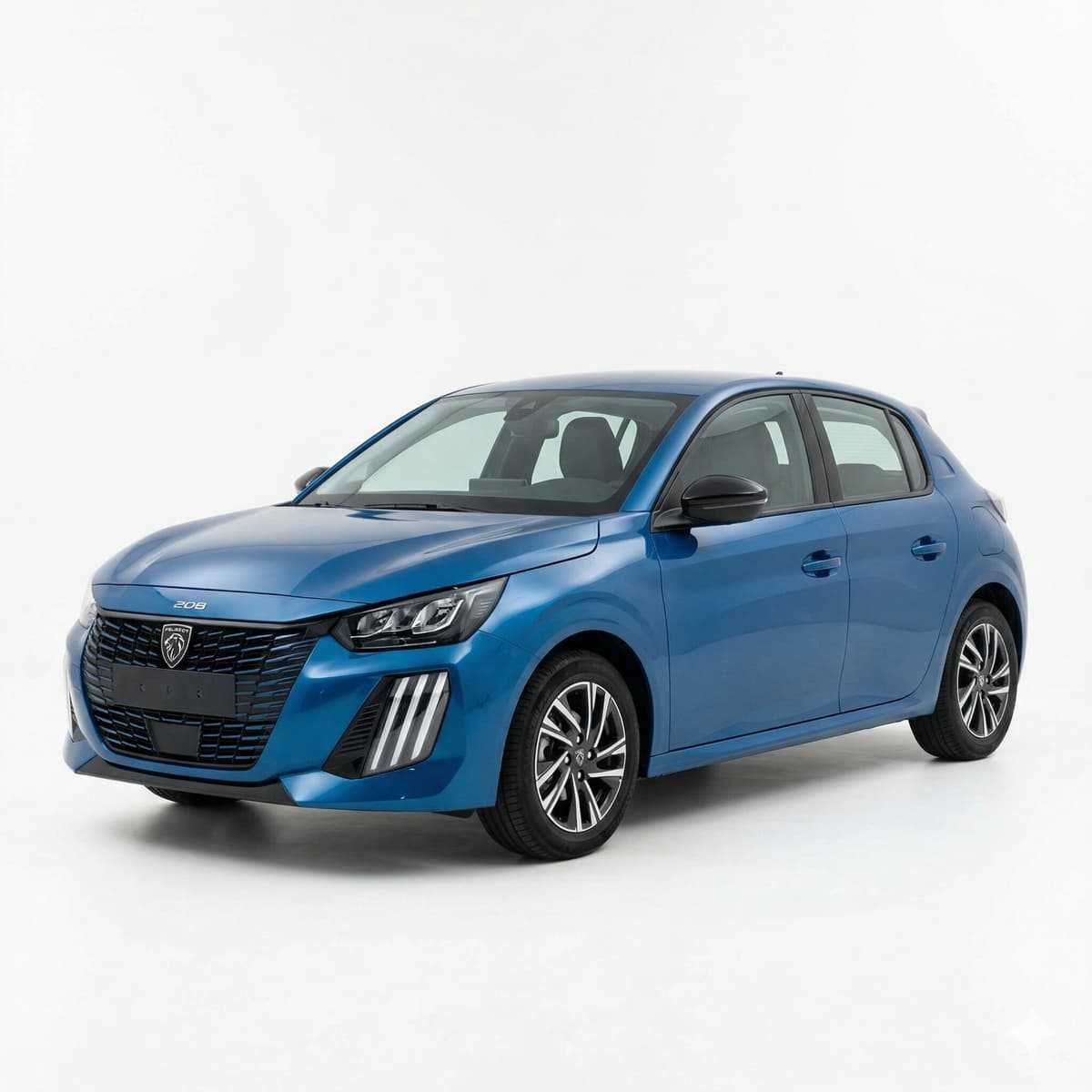 0-100
0-100Simulation de performance
Race simulation at real speed
CONFIDENCE 96%Calibrated physics simulation: SCx via VMax, power curves, Crr via WLTP, drivetrain losses. Manufacturer 0-100 is the calibration target. Confidence 96 %.
Bmw 318i Sedan vs 208 Hybrid 145 e-DCS6: chronicle of a drag race at 223 km/h
The launch: 0 to 100 km/h
Off the line, the 208 Hybrid 145 e-DCS6 hits 100 km/h in 7.96 s versus 8.33 s for the Bmw 318i Sedan. Despite the faster sprint time, the Bmw 318i Sedan is 9 m further along the track at this moment: stronger low-speed acceleration offsets a slower run beyond 100 km/h.
From 100 km/h to 400 metres
At 200 metres, the Bmw 318i Sedan is doing 113 km/h against 120 km/h for the 208 Hybrid 145 e-DCS6. The gap is 0.19 s. The challenger starts to claw back ground.
At 400 metres standing start, the 208 Hybrid 145 e-DCS6 crosses the line in 15.90 s versus 16.06 s. The 0.16 s gap represents roughly 6 m of track — barely a car length.
Beyond 400 metres: top speed comes into play
Past 400 metres, the 208 Hybrid 145 e-DCS6 continues to build its lead. At 600 metres, it runs at 166 km/h versus 157 km/h. At 1,000 metres, the 208 Hybrid 145 e-DCS6 finishes in 28.57 s versus 29.44 s, with a 0.86 s lead. Both vehicles have similar top speeds (223 vs 214 km/h), preventing any comeback.
What the numbers don’t tell you
Electronically capped at 223 km/h, the Bmw 318i Sedan never reaches its natural aerodynamic ceiling in this duel. That’s not a physical limit of the motor — it’s a deliberate manufacturer decision, typically tied to standard-fit tyre ratings or model-range positioning.
With two combustion powertrains, the difference comes down to power-to-weight ratio (9.55 kg/hp vs 8.52 kg/hp) and transmission (Automatic vs Automatic).
In European road use (130 km/h max), both vehicles reach the legal speed limit in under 13.71 seconds. The 0.37 s difference in 0 to 100 km/h is mostly felt in motorway merging and overtaking.
Peugeot 208 Hybrid 145 e-DCS6 is slightly faster than the Bmw 318i Sedan to 100 km/h. The edge holds on standing starts but may narrow at higher speeds depending on aerodynamic load.