

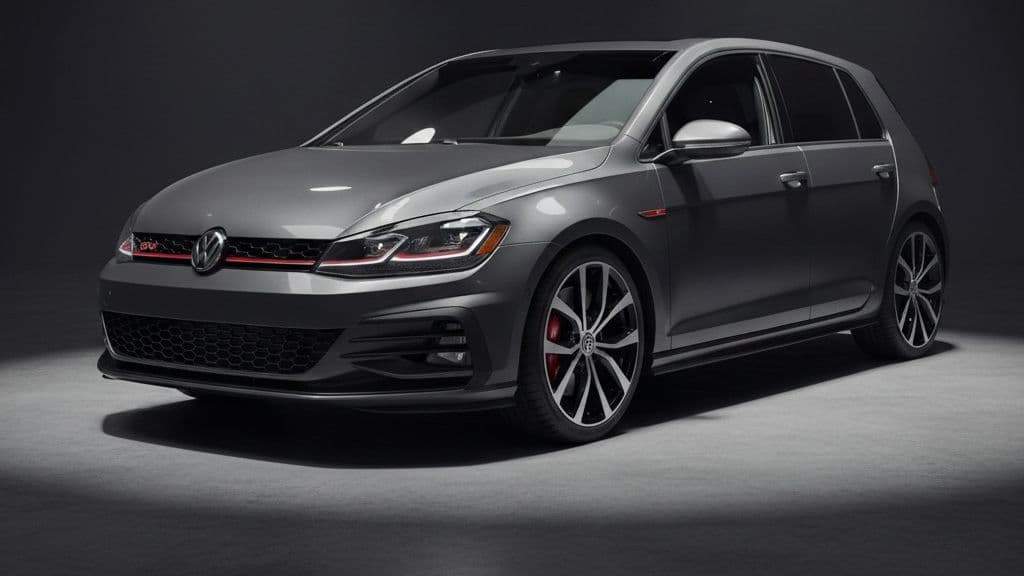
Volkswagen Golf 7 GTI vs Bmw 320d G20 : which one is faster?
0-100 km/h, 400 m, 1000 m, top speed — physics simulation calibrated on 7 measures.
 400 m
400 mSimulation de performance
Corsa simulata a velocità reale
CONFIDENCE 99%Calibrated physics simulation: SCx via VMax, power curves, Crr via WLTP, drivetrain losses. Manufacturer 0-100 is the calibration target. Confidence 99 %.
Golf 7 GTI vs Bmw 320d: cronaca di un drag race a 246 km/h
La partenza: da 0 a 100 km/h
Alla partenza, la Golf 7 GTI raggiunge i 100 km/h in 6,49 s contro 6,92 s della Bmw 320d. Nonostante il tempo più veloce, la Bmw 320d si trova 12 m più avanti sulla pista in questo momento: un’accelerazione più forte a bassa velocità compensa il ritardo oltre i 100 km/h.
Da 100 km/h a 400 metri
A 200 metri, la Bmw 320d viaggia a 119 km/h contro 131 km/h della Golf 7 GTI. Il distacco è di 0,12 s. L’avversario inizia a recuperare terreno.
A 400 metri con partenza da fermo, la Golf 7 GTI taglia il traguardo in 14,62 s contro 15,02 s. Il distacco di 0,39 s rappresenta circa 16 m di pista — due o tre lunghezze.
Oltre i 400 metri: la velocità massima entra in gioco
Oltre i 400 metri, la Golf 7 GTI continua ad ampliare il vantaggio. A 600 metri, viaggia a 183 km/h contro 166 km/h. A 1.000 metri, la Golf 7 GTI chiude in 26,13 s contro 27,72 s, con 1,58 s di vantaggio. Entrambi i veicoli hanno velocità massime simili (246 vs 235 km/h), impedendo qualsiasi rimonta.
Quello che i numeri non dicono
Entrambe le rivali sono limitate elettronicamente, ma non allo stesso livello: la Golf 7 GTI a 246 km/h, la Bmw 320d a 235 km/h. Questo limite non è una restrizione fisica del motore — è una scelta del costruttore per ragioni di sicurezza degli pneumatici o di omologazione. Nessuna delle due raggiunge la sua vera velocità massima aerodinamica.
Con due motorizzazioni termica, la differenza sta nel rapporto peso/potenza (6,30 kg/cv vs 8,11 kg/cv) e nella trasmissione (Automatic vs Automatic).
Nell’uso stradale europeo (max 130 km/h), entrambi i veicoli raggiungono il limite legale in meno di 11,45 secondi. La differenza di 0,43 s nello 0-100 km/h si avverte soprattutto nelle immissioni in autostrada e nei sorpassi.
Volkswagen Golf 7 GTI is slightly faster than the Bmw 320d to 100 km/h. The edge holds on standing starts but may narrow at higher speeds depending on aerodynamic load.