

Performance duelHome › Duel

BYD Seal 390 AWD vs Tesla Model 3 Performance : which one is faster?

0-100 km/h, 400 m, 1000 m, top speed — physics simulation calibrated on 7 measures.
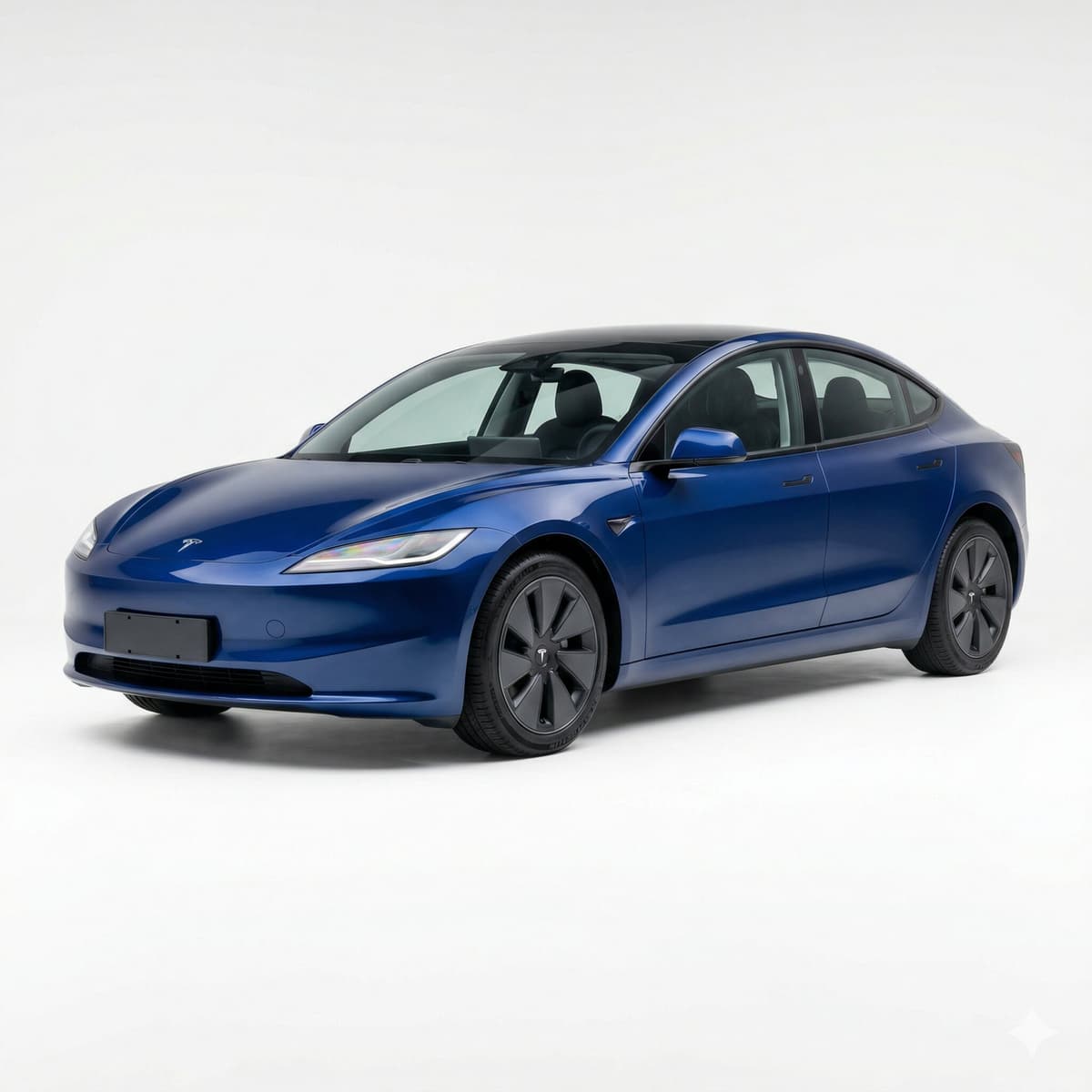
Tesla Model 3 Performance0-100
210
0 – 100 km/h
3.77s
0.41 s
Model 3
3.36s
400 m standing start
11.94s
0.36 s
Model 3
11.58s
Top speed
180
81 km/h
Model 3
261
Power530 ch
Power450 ch
Torque670 Nm
Torque713 Nm
Weight2 150 kg
Weight1 836 kg
DrivetrainAll-wheel drive (AWD)
GearboxAutomatic · 2-spee…
BYD
Seal 390 AWD
2022
3,77 s
180 km/h
Power530 ch
Torque670 Nm
Weight2 150 kg
DrivetrainAll-wheel drive (AWD)
Faster
Tesla Model 3 Performance
Tesla
Model 3 Performance
2019
3,36 s
261 km/h
Power450 ch
Torque713 Nm
Weight1 836 kg
DrivetrainAll-wheel drive (AWD)
BYD Seal 390 AWD
2022 · ELECTRIC · 530 ch
Tesla Model 3 Performance
2019 · ELECTRIC · 450 ch
0-30 km/h1,07 s
0-50 km/h1,78 s
0-80 km/h2,87 s
0-100 km/h3,77 s
0-120 km/h4,90 s
0-160 km/h8,21 s
0-200 km/h---
400 m DA11,94 s
1 000 m DA23,93 s
VMax180 km/h
0-30 km/h0,89 s
0-50 km/h1,49 s
0-80 km/h2,47 s
0-100 km/h3,36 s
0-120 km/h4,49 s
0-160 km/h7,86 s
0-200 km/h12,81 s
400 m DA11,58 s
1 000 m DA21,36 s
VMax261 km/h
— : non calculé (vitesse max constructeur inférieure au seuil)
DQM96%
Seal 390 AWD
--
Model 3 Performance
--

Simulation de performance

Race simulation at real speed

CONFIDENCE 96%
400 m result
11.58s
Tesla Model 3
Gap
0.36s
Distance
400 m
Dist.
Seal 390
Gap
Model 3
0 m
0.00 s
0 km/h
0 m
0.00 s
0 km/h
100 m
5.21 s
125 km/h
~10 m
2 long.
4.92 s
126 km/h
200 m
7.76 s
155 km/h
~13 m
3 long.
7.45 s
156 km/h
400 m
11.93 s
180 km/h
~18 m
4 long.
11.57 s
191 km/h
600 m
15.93 s
180 km/h
~41 m
9 long.
15.11 s
215 km/h
1,000 m
23.93 s
180 km/h
~129 m
28 long.
21.35 s
245 km/h

Calibrated physics simulation: SCx via VMax, power curves, Crr via WLTP, drivetrain losses. Manufacturer 0-100 is the calibration target. Confidence 96 %.

400 m
RACE MODE

Upcoming offersExclusive

Receive personalized offers

Pour recevoir les meilleures offres près de chez vous


Seal 390 AWD vs Model 3 Performance: chronicle of a drag race at 261 km/h

The launch: 0 to 100 km/h

Off the line, the Model 3 Performance hits 100 km/h in 3.36 s versus 3.77 s for the Seal 390 AWD. At this point, the Model 3 Performance leads by 0.41 s and sits roughly 7 m ahead.

From 100 km/h to 400 metres

At 200 metres, the Model 3 Performance is doing 156 km/h against 155 km/h for the Seal 390 AWD. The gap is 0.31 s. The gap remains stable from the start.

At 400 metres standing start, the Model 3 Performance crosses the line in 11.57 s versus 11.93 s. The 0.36 s gap represents roughly 18 m of track — two to three car lengths.

Beyond 400 metres: top speed comes into play

Past 400 metres, the Model 3 Performance continues to build its lead. At 600 metres, it runs at 215 km/h versus 180 km/h. At 1,000 metres, the Model 3 Performance finishes in 21.35 s versus 23.93 s, with a 2.58 s lead.

What the numbers don’t tell you

Both rivals are electronically governed, but not at the same level: the Seal 390 AWD is capped at 180 km/h, the Model 3 Performance at 261 km/h. This isn’t a physical engine limit — it’s a manufacturer choice, usually for tyre safety or homologation reasons. Neither car reaches its true aerodynamic top speed.

With two electric powertrains, the difference comes down to power-to-weight ratio (4.06 kg/hp vs 4.08 kg/hp) and transmission (Automatic vs Automatic).

In European road use (130 km/h max), both vehicles reach the legal speed limit in under 5.59 seconds. The 0.41 s difference in 0 to 100 km/h is mostly felt in motorway merging and overtaking.

Tesla Model 3 Performance has a clear edge over the BYD Seal 390 AWD to 100 km/h. This difference is clearly noticeable in spirited driving and widens on standing starts.

Données de performance issues de simulations physiques calibrées (moteur Apex). Consommation basée sur les données WLTP constructeur. Les performances réelles peuvent varier selon les conditions d'utilisation.

Prix énergie indicatifs : essence 1,85€/L, diesel 1,75€/L, électricité 0,25€/kWh (tarif domestique). Calculs basés sur 20 000 km/an.

Caralogy est un service indépendant de comparaison. Les données affichées sont fournies à titre informatif et ne constituent pas une offre commerciale.