

MG MG4 Long Range RWD vs Peugeot 208 GTi 30th 208 : which one is faster?
0-100 km/h, 400 m, 1000 m, top speed — physics simulation calibrated on 7 measures.
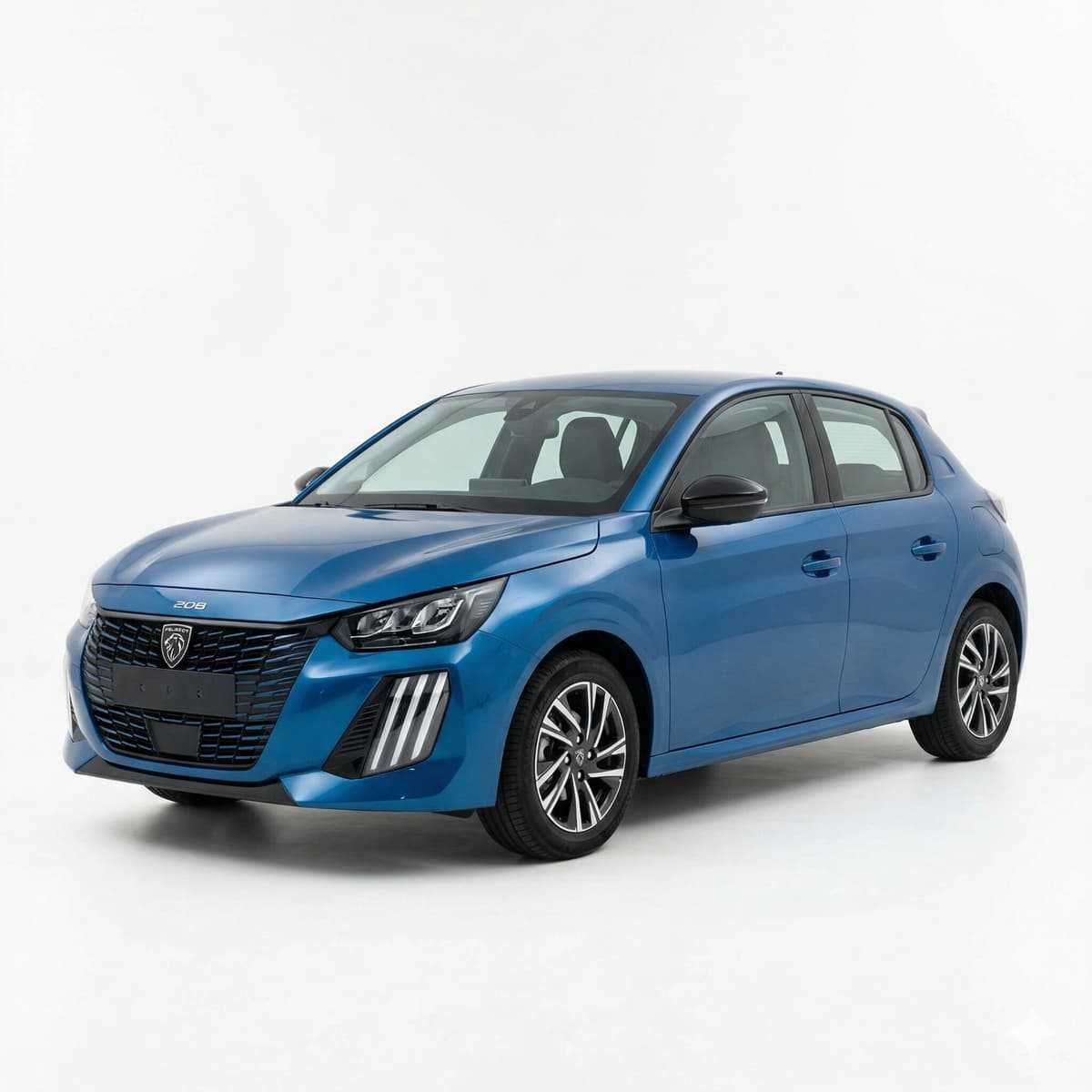 0-100
0-100Simulation de performance
Corsa simulata a velocità reale
CONFIDENCE 95%Calibrated physics simulation: SCx via VMax, power curves, Crr via WLTP, drivetrain losses. Manufacturer 0-100 is the calibration target. Confidence 95 %.
MG4 Long Range RWD vs 208 GTi 30th 208: cronaca di un drag race a 235 km/h
La partenza: da 0 a 100 km/h
Alla partenza, la 208 GTi 30th 208 raggiunge i 100 km/h in 6,55 s contro 6,73 s della MG4 Long Range RWD. Nonostante la mancanza di coppia istantanea, la potenza di 208 cv compensa. A questo punto, la 208 GTi 30th 208 ha 0,18 s di vantaggio e si trova circa 4 m avanti.
Da 100 km/h a 400 metri
A 200 metri, la 208 GTi 30th 208 viaggia a 133 km/h contro 129 km/h della MG4 Long Range RWD. Il distacco è di 0,21 s. Il distacco resta stabile dalla partenza.
A 400 metri con partenza da fermo, la 208 GTi 30th 208 taglia il traguardo in 14,56 s contro 14,92 s. Il distacco di 0,36 s rappresenta circa 16 m di pista — due o tre lunghezze.
Oltre i 400 metri: la velocità massima entra in gioco
Oltre i 400 metri, la 208 GTi 30th 208 continua ad ampliare il vantaggio. A 600 metri, viaggia a 183 km/h contro 176 km/h. A 1.000 metri, la 208 GTi 30th 208 chiude in 26,10 s contro 27,23 s, con 1,14 s di vantaggio.
Quello che i numeri non dicono
Limitata elettronicamente a 180 km/h, la MG4 Long Range RWD non raggiunge il suo tetto aerodinamico naturale in questo duello. Non è un limite fisico del motore — è una scelta deliberata del costruttore, spesso legata alla sicurezza degli pneumatici di serie o al posizionamento nella gamma.
La coppia istantanea del motore elettrico dà un vantaggio alla partenza. La velocità massima più alta del motore termico dà un vantaggio sulla lunga distanza.
Nell’uso stradale europeo (max 130 km/h), entrambi i veicoli raggiungono il limite legale in meno di 10,07 secondi. La differenza di 0,18 s nello 0-100 km/h si avverte soprattutto nelle immissioni in autostrada e nei sorpassi.
Peugeot 208 GTi 30th 208 is slightly faster than the MG MG4 Long Range RWD to 100 km/h. The edge holds on standing starts but may narrow at higher speeds depending on aerodynamic load.